
Heavy rain can change a Columbus street in minutes. The drains back up, a low spot fills, and a road you drive every day turns into a shallow river. Most drivers see a few inches of water and think the car will push right through it. Then the engine coughs, the dash lights flicker, and the car stops in the middle of it. That moment is scary, and it happens more than people think. Flooded roads in Central Ohio bring hundreds of drivers to a stop every storm season. The good news is that a car stalled in flood water does not have to end in a total loss. If you know the right steps in the first few minutes, you protect yourself, your passengers, and often the vehicle too. When the car cannot be moved safely, flooded car emergency towing can help get it out of the water without putting you at greater risk.
Why Flooded Roads in Central Ohio Turn Dangerous So Fast
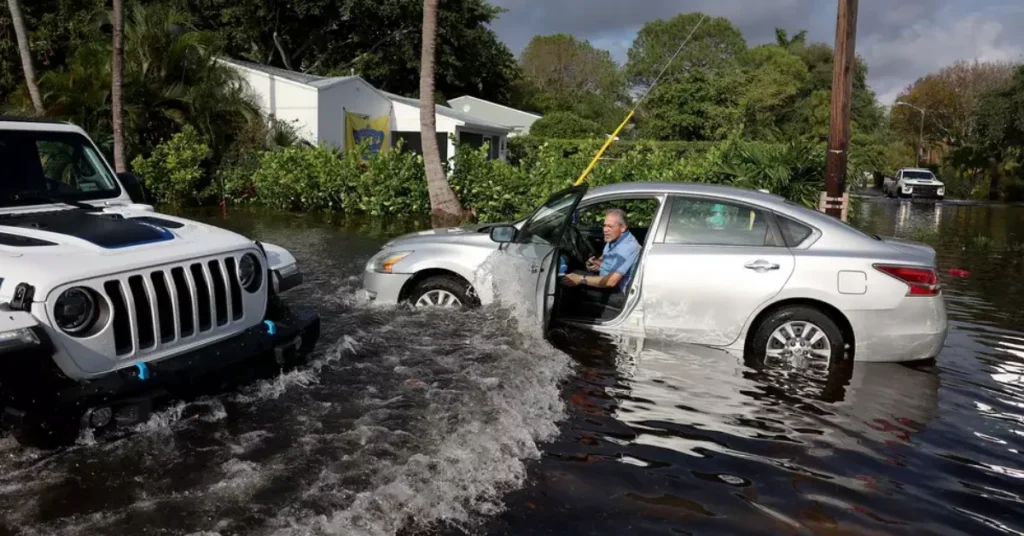
Water hides everything. A road that looks like it has six inches of standing water may have two feet in the middle, and you will not know until the front end drops. Moving water is worse. About twelve inches of flowing water can lift a small car, and two feet can float a truck. Once the tires stop gripping, the current decides where you go, and a car stalled in flood water can drift before you react. There is also the danger you cannot see. Flooding lifts manhole covers, washes out shoulders, and drops debris in the lane. Storm water also carries oil, sewage, and sharp trash. So flooded road car safety is about more than the engine. It is about drop offs, hidden holes, and water you should not walk through unless you must.
What to Do If Your Car Stalls in Water
The first rule is simple. Do not try to restart the engine. When drivers ask what to do if your car stalls in water, restarting is the mistake that turns a repair bill into a scrapped car. If water reached the air intake, the engine has already pulled some in, and water does not compress. With a car stalled in flood water, the safest move is to leave the key alone, shift into park, and take a breath. Now check your surroundings before you touch the door. If the water is still, shallow, and the road behind you is clear, you can usually step out and walk back the way you came. If the water is moving or rising past the bottom of the doors, stay inside, keep your seat belt on, and call for help. Turn on your hazard lights and ask for flooded car emergency towing right away.
How to Get Out Safely When Your Car Is Stuck in Flooding
If you choose to leave the vehicle, move fast but move smart. Unbuckle everyone, unlock all the doors, and lower a window early. Power windows fail once water reaches the door panel, so an open window is your backup exit. Help children and older passengers out first, and keep everyone holding on until you know the footing is solid. Six inches of moving water can knock an adult down. Once you are out, do not stand beside the car and do not go back for bags. Walk toward higher ground, away from the current, and stay clear of ditches and culverts where the pull is strongest. If your car is stuck in flooding and the current is too strong to walk through, climb onto the roof and call 911. A car stalled in flood water can be replaced. You cannot.
Never Restart a Vehicle Stalled in Flood Water
This warning deserves its own section because it costs drivers the most money. A vehicle stalled in flood water can look fine after the water drops. The carpet is damp, the engine is quiet, and turning the key feels harmless. That one turn can push water into the cylinders, bend the rods, and ruin an engine the flood itself never touched. The same rule covers hybrids and electric cars. High voltage batteries and flood water are a bad mix, and a soaked battery pack can heat up or short out hours later. Keep the car off, keep people away from it, and let trained hands move it, because every car stalled in flood water needs a proper inspection first. Real flood water car recovery starts with pulling the vehicle out without adding new damage.
The Damage a Water Damaged Car Hides
A water damaged car shows problems on three timelines. Right away you see the stall, the electrical faults, and the wet interior. Within days, mold starts in the carpet padding and seat foam and spreads through the vents. Over the next few months, trapped water starts rust inside the frame and body panels, and corroded connectors cause faults no scan tool can explain. That is why speed matters. The sooner the car is pulled out, dried, and inspected, the better your odds of saving it. Photograph the water line on the door and the road conditions before the car moves, then call your insurer. Comprehensive coverage usually pays for flood damage, and a documented flood recovery towing invoice supports the claim. Burm’s Towing answers these calls across Columbus every storm season.
Why Professional Flood Water Car Recovery Is Worth It
Some drivers ask a friend to pull the car out with a strap and a pickup. That plan fails more often than it works. Straps snap, bumpers tear off, and the tow vehicle can slide into the same water. A recovery truck uses rated winch line, correct anchor points, and enough weight to hold ground, and the operator lifts the drive wheels so the transmission is not damaged on the way out. Timing matters just as much. Emergency towing Central Ohio crews work through storms, so they know which roads close first and how to reach you safely. Solid roadside assistance Central Ohio drivers can count on means someone picks up at 2 a.m. and sends a truck. For emergency towing Columbus Ohio residents trust, a local operator beats a national call center that has never seen these streets, and that speed matters most with a car stalled in flood water.
How to Avoid Driving Through Flooded Roads
The best fix is never getting stuck. First responders say it in four words that work. Turn around, do not drown. If you cannot see the paint lines under the water, do not enter it. A two minute detour beats a tow bill and a week without a car, so driving through flooded roads is never worth the time you think you save. Build a few habits before storm season. Charge your phone when rain is in the forecast, save a towing number in your contacts, and learn two routes home that stay on higher ground. Keep a flashlight, a window breaker tool, and a small first aid kit in the car. Small steps like these keep most drivers from ever facing a car stuck in flood water.
Frequently Asked Questions
How much water does it take to stall a car?
Less than most people expect. Around six inches can reach the underside of a car and cause a loss of control, and roughly twelve inches can float a small vehicle. The engine only needs water at the air intake to stall, and on many sedans that intake sits low.
Should I restart my car after it stalls in water?
No. This is the costliest mistake drivers make. If water entered the engine, cranking it can bend the rods and destroy the motor. Leave the key off, get to safety, and have the car towed so a shop can inspect it first.
Is my car totaled if it went through flood water?
Not always. It depends on how deep the water got, how long it sat there, and whether the engine was running. Cars with water below the door sill often recover. Vehicles with water in the cabin or engine are usually written off by the insurer.
Does insurance cover a flooded car in Ohio?
Comprehensive coverage normally covers flood damage, while liability only coverage does not. Take photos before the car is moved, keep your towing receipt, and report the claim fast so the adjuster can review the vehicle before mold sets in.
How quickly can a tow truck reach me during a storm?
It depends on road closures and call volume, but a local company usually reaches Columbus area drivers faster than a national dispatch service. Call as soon as you are safe so the driver can route around the flooded streets.
Stuck in High Water? Call Burm’s Towing Right Now
Storms do not wait for a good time, and neither should you. Once you are on dry ground, call the crew that works these roads every day. Burm’s Towing provides 24/7 emergency towing and flood recovery across Columbus, Dublin, Gahanna, Hilliard, Upper Arlington, Westerville, Grove City, and the rest of Central Ohio. Our operators winch vehicles out the right way, protect the drivetrain, and deliver your car to a shop for inspection. One call is all it takes. Whether you have a car stalled in flood water, a dead battery, a flat tire, or a lockout in the rain, our team shows up with the right truck and the right gear. Save the number now so it is there when you need it. Call Burm’s Towing at (614) 290-8512 for fast, honest help at any hour.