
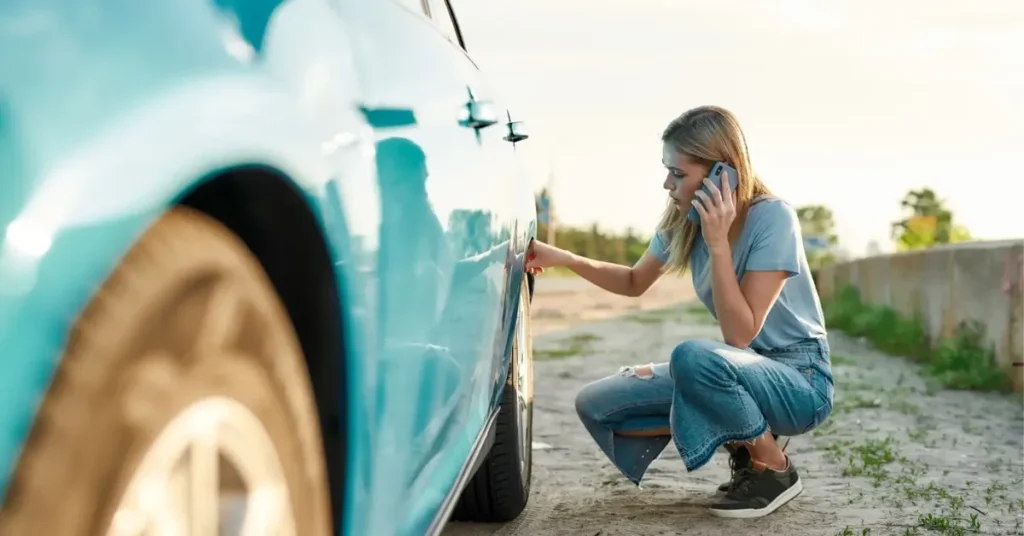
A crash on I-71 or a quiet side street in Columbus leaves you shaken, and within minutes a tow truck is hooking up your car. The last thing you want to think about is money, yet the question shows up fast: who is going to pay for this tow? Many Ohio drivers only find out what their policy includes while they are standing on the shoulder waiting for help. That surprise can turn into a bill for towing, storage, and gate fees that keeps growing each day the car sits in a lot, and it often lands right when you are also dealing with injuries and missed work.
So, does car insurance cover towing? In most accident cases, yes, but the answer depends on who caused the crash and what coverage you carry. This guide walks you through how towing coverage works in Ohio, which part of a policy actually pays the bill, and the simple steps that keep your insurance claim from getting stuck. By the end, you will know what to ask your adjuster before you pay a single dollar out of pocket.
How Towing Coverage Works on an Ohio Auto Policy
Ohio is an at-fault state, which means the driver who caused the accident is responsible for the damage, and that includes the cost of moving a wrecked car off the road. Every Ohio driver must carry liability insurance with at least $25,000 in property damage coverage. When another driver hits you, their property damage liability is the part of the policy that usually pays for your tow, your repairs, and reasonable storage.
Your own policy can also step in, but only if you bought the right pieces. Collision coverage pays to repair your car after a crash no matter who is at fault, and most insurers treat the tow from the scene to a repair shop as part of that collision loss. Comprehensive coverage does the same for non-crash events like hitting a deer, a fallen tree, or flood damage. If you only carry the state minimum, your own policy will not pay for towing your car.
When the Other Driver Is at Fault
If police reports or witness statements show the other driver caused the wreck, you can file a third-party claim with the at-fault driver insurance company. Their adjuster should cover the tow from the scene, daily storage fees while they inspect the car, and the cost of moving it to a shop you choose. Keep every receipt, since you will need proof of each charge before they reimburse you.
The problem is that third-party claims can move slowly. The other insurer may take days to accept fault, and storage charges keep adding up while you wait. A smart move is to file under your own collision coverage first if you have it. Your insurer pays the towing and repairs quickly, then goes after the other company to recover the money, including your deductible, through a process called subrogation.
Roadside Assistance vs. Accident Towing
Many drivers assume their roadside assistance coverage handles every tow, but that add-on is built for breakdowns, not crashes. Towing and labor coverage usually pays for a short tow when your car will not start, a flat tire, a dead battery, or a lockout. Most plans cap the benefit at a set dollar amount or distance, and a tow after a serious collision often falls outside those limits.
After an accident, the tow is normally handled under your collision claim or the other driver’s liability claim instead. That said, roadside plans can still help in a pinch, especially for a minor fender bender where the car simply cannot be driven. Call your insurer and ask which coverage applies before you sign anything, because using the wrong one can leave part of the bill unpaid.
Storage Fees and Hidden Costs to Watch
The tow itself is rarely the biggest cost. Storage fees can climb fast when a car sits in an impound or tow yard for a week or more while insurers argue over fault. Some lots also charge release fees, after-hours gate fees, or extra labor for cleaning up debris at the scene. Insurers often pay only what they consider reasonable, so charges that run too long may become your problem.
You can protect yourself by moving quickly. Ask the tow company for an itemized bill, confirm the daily storage rate in writing, and have the car moved to your chosen repair shop as soon as the adjuster finishes the inspection. If a police tow took your car to a lot you did not choose, contact your insurer the same day so they can arrange the release and stop the daily charges.
Claim Tips to Get Your Towing Bill Paid
Start documenting everything at the scene. Take photos of the damage, the road, and the other vehicle, and get the police report number before you leave. Write down the name of the tow company, where your car is being taken, and the driver’s phone number. Report the crash to your insurer within 24 hours, even if you plan to file against the other driver, because late notice can slow down your claim.
Next, send copies of every towing and storage receipt to your adjuster and ask in writing how the charges will be paid. If the other insurer denies part of the bill, ask for the reason in writing and push back with your receipts. Ohio gives you two years to file a property damage lawsuit, but most towing disputes get settled much sooner when you stay organized. Working with a trusted local company like Burm’s Towing also helps, since clear, itemized invoices make adjusters far less likely to question the charges.
Frequently Asked Questions
Does car insurance cover towing if I am at fault in Ohio?
Yes, if you carry collision coverage. Your insurer will usually pay for towing from the scene to a repair shop as part of the collision claim, minus your deductible. Liability-only policies will not cover your own tow.
Will the other driver’s insurance pay my towing bill?
In most cases, yes. When the other driver is at fault, their property damage liability should cover reasonable towing and storage fees. Keep all receipts and send them to the adjuster handling the claim.
Does roadside assistance cover towing after an accident?
Usually not. Roadside assistance and towing and labor coverage are meant for breakdowns, lockouts, and flat tires. Accident towing is normally paid through collision coverage or the at-fault driver’s liability insurance.
How much are towing storage fees in Ohio?
Rates vary by company and location, and they are charged daily. The longer your car sits, the more you owe, so move it to a repair shop quickly and confirm the daily rate in writing.
Can I choose my own tow company after an accident?
In many situations, yes. If police do not order a specific tow, you can call a company you trust. Burm’s Towing serves Columbus drivers around the clock and provides itemized receipts that make insurance claims easier.
Need Fast Accident Towing in Columbus? Call Burm’s Towing Today
A crash is stressful enough without a surprise towing bill making things worse. If you are stuck after a wreck anywhere in Columbus or nearby areas like Dublin, Hilliard, or Grove City, our team offers fast, safe accident towing in Columbus Ohio with honest pricing and clear paperwork your insurer can process quickly.
Call Burm’s Towing at (614) 290-8512 and we will get your car off the road and to the shop of your choice.