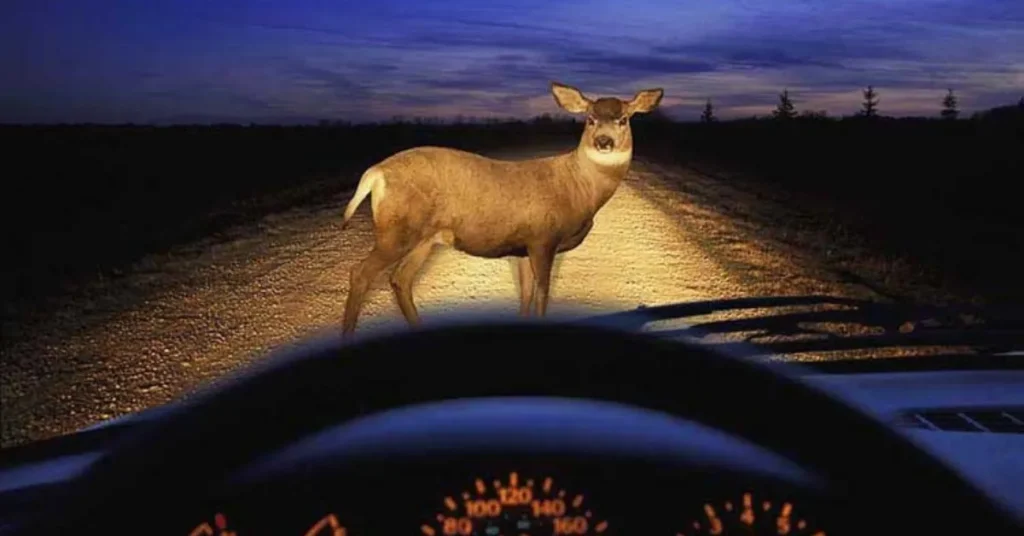
After a deer crash, most drivers ask the same thing: can I still drive after hitting a deer, or do I need help? The answer depends on what broke, and a lot of deer damage hides behind the bumper where you cannot see it.
This guide shows you the warning signs to look for, which problems make the car unsafe, and when to skip the risk and call for an accident towing service instead.
Why Deer Damage Is Often Worse Than It Looks
A full-grown deer can weigh 150 pounds or more. When it hits the front of your car, most of that force goes into the area right behind the grille. Modern bumpers are mostly plastic covers, so they can pop back into shape and look fine while the parts behind them are cracked.
The radiator and the AC condenser sit right behind the grille. So do the cooling fans, the headlight mounts, and the sensors for features like lane assist and auto braking. A small crack in any of these can turn into a big problem if you drive after hitting a deer without checking first.
Warning Signs It Is Not Safe to Drive After Hitting a Deer
Check for each of these before you put the car back in gear. If you see even one, it is safer to stay put and call a tow.
Fluid Leaking Under the Car
Look under the front end with a flashlight. Green, orange, or pink fluid is coolant. Dark brown or black fluid is usually oil. Leaking fluids mean something is cracked, and driving with a coolant leak can ruin your engine in minutes.
Engine Temperature Climbing or Steam From the Hood
If the temperature gauge starts rising or you see steam, shut the engine off right away. An overheating engine can warp the cylinder head, which costs far more to fix than the deer damage itself.
New Warning Lights on the Dashboard
A check engine light, battery light, or brake light that was not on before the crash is a red flag. Dashboard warning lights can mean damaged sensors, loose wiring, or a hit to the charging system.
Broken Headlights or Taillights
You need working headlights to drive safely at night, and Ohio law requires them from sunset to sunrise. If a broken headlight leaves you with one light or none, do not drive after dark.
A Hood That Will Not Latch
If the hood will not close all the way, it can fly up at highway speed and block your view of the road. A bent hood latch is enough reason on its own to get a tow.
Pulling, Shaking, or a Tire That Rubs
If the car pulls hard to one side, the steering wheel is off center, or you hear a tire rubbing when you turn, the hit may have bent a wheel, a control arm, or your wheel alignment. That can make the car hard to control.
Airbags That Went Off
If the airbags deployed, the crash was hard enough to damage parts you cannot see. Most shops will tell you not to drive the car until it has been checked.
When It Might Be Okay to Drive a Short Distance
If none of those warning signs show up, the car may be fine for a short, careful trip. That usually means the damage is cosmetic, like a cracked bumper cover or a scuffed fender, with no leaks, no new lights, and a steady temperature gauge.
Even then, drive slowly, stay off the highway if you can, and keep checking the gauge. If you are unsure, it is better to have a tow truck move the car than to guess. Many drivers who try to drive after hitting a deer only find the real damage when the engine overheats halfway home.
Why a Short Drive Can Turn Into a Big Repair Bill
When you drive after hitting a deer with a cracked radiator, it can drain coolant in just a few miles. Once the engine runs hot, a repair that might have cost a few hundred dollars can grow into thousands. A loose bumper or splash guard can also drop off on I-270 or US-33 and cause a crash behind you.
There is an insurance side too. If your car was drivable at first but you made the damage worse by driving it, your insurer may question part of the claim. Getting the car towed right away keeps the damage limited to what the deer actually did.
Why Flatbed Towing Is the Safest Choice After a Deer Hit
With a deer crash, the front of the car usually takes the hit. A wheel-lift tow lifts the front end and drags the back wheels, which can put more stress on parts that are already damaged. Flatbed towing carries the entire car on the truck bed, so nothing touches the road on the way to the shop.
It also protects cars with all-wheel drive, low front bumpers, and front sensors that can break further if they get bumped again. You can have the car taken to your home, your mechanic, or the body shop your insurance company prefers. If you drive after hitting a deer and something feels wrong, pull over and call for a flatbed instead of pushing on.
Frequently Asked Questions
How long can I drive with a cracked radiator after hitting a deer?
Not long. Some cars overheat within a few minutes once the coolant drains. If you see coolant under the car, it is not safe to drive after hitting a deer, even for a short trip.
Is it legal to drive with a broken headlight in Ohio?
Ohio requires working headlights from sunset to sunrise and any time it is hard to see. Driving with a broken headlight at night can get you a ticket and makes it much harder to spot the next deer.
Can hitting a deer mess up my alignment?
Yes. A hit to the front wheel or bumper can bend steering and suspension parts. If the car pulls, shakes, or the wheel sits crooked, get it checked before you drive after hitting a deer again.
Should I restart my car if the airbags went off?
It is better not to. A crash that sets off the airbags can also damage wiring, sensors, and the cooling system. Have the car towed to a shop and let them inspect it first.
Will my insurance pay for a tow after a deer collision?
Many policies cover towing, especially if you have roadside assistance on your plan. Call your insurer, and keep your towing receipt so you can get paid back for what is covered.
Is it safe to wait until morning to tow my car?
Only if the car is parked somewhere safe, like your driveway or a parking lot. If it is on the shoulder of a busy road or highway, get it moved right away to avoid a second crash.
Not Sure If Your Car Is Safe? Get a Tow Instead
When you cannot tell how bad the damage is, the safest move is to let Burm’s Towing take your car off the road. We help drivers across Columbus, Dublin, Gahanna, Hilliard, Upper Arlington, Westerville, Grove City, and nearby towns, day or night.
Do not risk your engine or your safety. Call Burm’s Towing now at (614) 290-8512 for a fast flatbed tow truck service after any deer collision in Central Ohio.