
Getting a vehicle stuck can happen when you least expect it. A muddy driveway, soft shoulder, deep snow, loose gravel, or a roadside ditch can leave your vehicle unable to move under its own power. Trying to force the vehicle forward may spin the tires, damage the drivetrain, or make the situation worse. This is where a vehicle winch-out service can provide the right type of roadside help and support for stuck vehicle recovery when traction is no longer enough to get moving again.
A winch-out service uses specialized towing equipment to carefully pull a stuck vehicle back onto a safe and drivable surface. Unlike standard towing, the vehicle may not need to be transported anywhere. The main goal is to recover the vehicle from the location where it became stuck. For drivers in Columbus and nearby areas, Burm’s Towing provides assistance when a vehicle needs careful recovery from difficult roadside conditions.
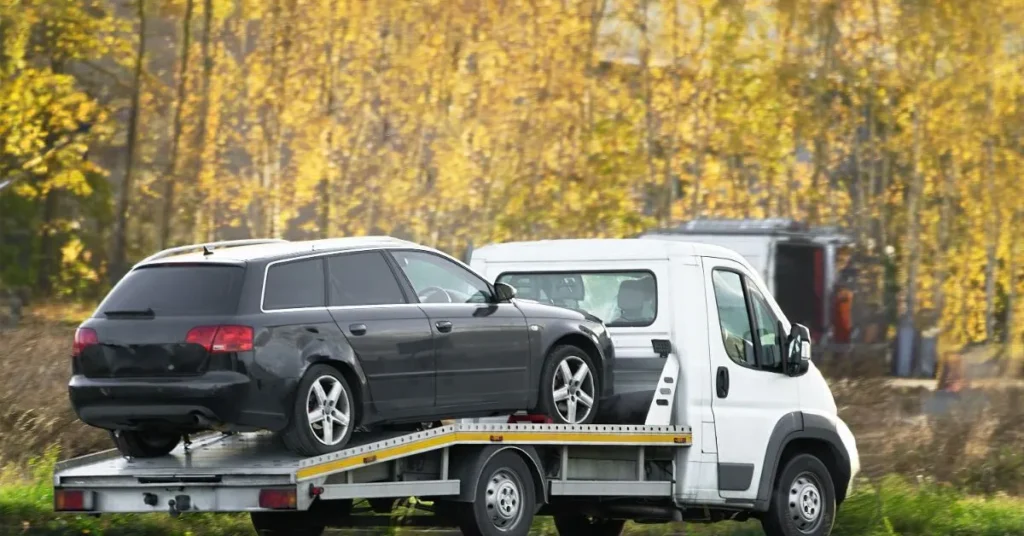
What Is a Vehicle Winch-Out Service?
A vehicle winch-out service is a roadside recovery service designed to remove a vehicle that has become stuck and cannot move normally. A tow truck uses a winch, cable, or similar recovery equipment to pull the vehicle toward stable ground. The method used depends on the vehicle’s position, the surface underneath it, and how deeply it is stuck. This type of recovery can help with cars, trucks, SUVs, and other vehicles when normal driving is no longer possible.
Winch-out towing is different from simply attaching a vehicle to a tow truck and driving away. The recovery process may require positioning the truck correctly and choosing a secure attachment point on the vehicle. A trained operator also needs to consider nearby obstacles, traffic, slopes, and the condition of the ground. Using the wrong technique can cause unnecessary damage, which is why proper equipment and careful handling matter during vehicle recovery.
When Do You Need a Winch-Out Service?
You may need a vehicle winch-out service when your tires are spinning but the vehicle is not moving. This often happens when a car gets stuck in mud, loose dirt, sand, gravel, or a soft roadside shoulder. A vehicle can also become trapped after sliding into a shallow ditch or driving onto ground that cannot support its weight. If the tires cannot regain traction, continuing to accelerate may dig the vehicle deeper into the surface.
Another common situation occurs when a vehicle becomes stuck in snow or ice. A vehicle stuck in snow may appear easy to free, but repeated attempts can create deeper tracks around the tires. The same problem can happen when a car slides off a paved road into a ditch. Instead of making repeated attempts that could damage the vehicle, calling for stuck vehicle recovery can provide a safer way to get the vehicle back onto stable ground.
How Does Winch-Out Towing Work?
When a driver requests winch-out towing, the towing operator first evaluates the vehicle and its surroundings. The operator needs to understand how the vehicle became stuck, where it is positioned, and whether there are obstacles nearby. This assessment helps determine the safest recovery approach. The tow truck is then positioned where it can provide enough pulling force without creating additional risks.
The winch cable or recovery equipment is connected to an appropriate recovery point on the vehicle. The operator gradually applies pulling force while monitoring how the vehicle responds. The goal is controlled movement rather than a sudden pull. Once the vehicle reaches firm ground and can move safely, the recovery process is complete. Depending on the situation, the driver may then continue the trip or request additional roadside assistance if the vehicle has another mechanical problem.
What If Your Car Is Stuck in Mud?
A car stuck in mud can become more difficult to recover with every unsuccessful attempt to drive out. Spinning the tires can remove more material from underneath them, causing the vehicle to sink farther. Mud can also reduce traction to the point where even four-wheel-drive vehicles cannot move forward. If the vehicle continues to sink, getting it out may require more equipment and additional recovery work.
A winch-out service can help pull the vehicle toward firmer ground without relying entirely on tire traction. Before attempting recovery, avoid aggressive acceleration and keep people away from the recovery equipment. If the vehicle is close to traffic, a steep slope, or unstable ground, move to a safe location when possible. Calling Burm’s Towing early can help prevent a minor stuck vehicle situation from becoming a more difficult recovery.
What If Your Car Is Stuck in a Ditch?
A car stuck in a ditch can present a different recovery challenge because the vehicle may be sitting at an angle. One or more tires may have lost contact with the road, while the body or undercarriage could be close to the ground. Trying to drive out without enough traction may cause the tires to spin or increase the vehicle’s contact with the ditch. The vehicle could also move unpredictably if the road surface is uneven.
A vehicle recovery service can assess the position of the vehicle before attempting to pull it out. The operator can determine where recovery equipment should be attached and how the vehicle should be moved toward the roadway. If the vehicle entered the ditch after a collision, additional care may be necessary because steering, suspension, wheels, or other components could already be damaged. In that situation, emergency towing service may be needed after the vehicle is recovered.
What If Your Vehicle Is Stuck in Snow?
A vehicle stuck in snow can become a serious problem when the tires lose traction or the vehicle’s underside becomes packed with snow. Drivers sometimes make the situation worse by repeatedly pressing the accelerator. This can create deeper ruts and leave the vehicle sitting lower in the snow. Cold temperatures can also make it difficult to wait outside for long periods, especially at night.
If basic efforts such as clearing snow around the tires do not work, contacting roadside assistance may be the better option. A winch can provide pulling force when the tires cannot generate enough traction. The recovery approach depends on the depth of the snow, the position of the vehicle, and the condition of the surrounding surface. Burm’s Towing can assist drivers who need a controlled recovery instead of continuing to struggle with a stuck vehicle.
Is Winch-Out Service the Same as Towing?
Winch-out service and standard towing are related, but they solve different problems. Standard towing generally involves moving a vehicle from one location to another because it cannot be driven. A winch-out service focuses on freeing a vehicle that is stuck in mud, snow, a ditch, soft ground, or another difficult position. Once the vehicle is free, the driver may be able to continue driving if there is no mechanical damage.
In some situations, both services may be needed. For example, a vehicle may slide into a ditch, require a winch to return to the roadway, and then need transportation because the collision damaged its steering or suspension. A tow truck winch-out can be useful during the recovery stage, while regular towing can handle transportation afterward. Understanding the difference can help you explain your situation clearly when requesting roadside help.
What Should You Do Before Help Arrives?
Safety should be the first priority while waiting for a vehicle winch-out service. If the vehicle is near moving traffic, turn on the hazard lights and remain in a safe location whenever possible. Avoid standing directly behind or in front of the stuck vehicle. Recovery equipment can come under significant tension, so people should stay away from cables, straps, and attachment points during the recovery process.
Do not keep accelerating if the vehicle is clearly unable to move. Repeated attempts can deepen the vehicle’s position and potentially cause mechanical or tire damage. Tell the towing provider where the vehicle is located and explain whether it is stuck in mud, snow, a ditch, or another surface. Clear information helps the operator understand what type of equipment may be appropriate before arriving.
Why Professional Recovery Equipment Matters
Trying to recover a stuck vehicle with another personal vehicle, rope, or unsuitable equipment can create unnecessary risks. Recovery equipment must be strong enough for the vehicle and appropriate for the situation. The attachment point also needs to be suitable for pulling force. An incorrect connection can damage the vehicle or cause recovery equipment to fail unexpectedly.
A dedicated vehicle winch-out service uses equipment designed for vehicle recovery and controlled pulling. The operator can adjust the recovery approach based on the terrain and vehicle position. This is especially important when the vehicle is stuck near a ditch, slope, traffic lane, or other obstacle. Getting the right assistance can help reduce the chance of turning a simple roadside problem into a larger vehicle damage issue.
Frequently Asked Questions
What does a vehicle winch-out service do?
A vehicle winch-out service helps free a vehicle that is stuck and cannot move normally. A tow truck uses recovery equipment to pull the vehicle toward stable ground. It is commonly used for vehicles stuck in mud, snow, ditches, soft ground, or similar locations.
Can a winch pull a car out of a ditch?
Yes, a winch can be used to recover a vehicle from certain ditches. The recovery method depends on the vehicle’s position, the depth and shape of the ditch, surrounding obstacles, and the condition of the vehicle. The operator should assess the situation before applying pulling force.
Can winch-out service help a car stuck in mud?
Yes. Winch-out equipment can provide pulling force when the tires cannot generate enough traction to move the vehicle. Avoid repeatedly spinning the tires because this can cause the vehicle to sink deeper into the mud.
Is winch-out service available for vehicles stuck in snow?
Yes. Winch-out service can help when a vehicle is deeply stuck in snow and normal driving cannot restore traction. The operator can assess the vehicle and surrounding area before selecting the appropriate recovery method.
Should I drive my vehicle after it has been recovered?
It depends on why the vehicle became stuck and whether it suffered any damage. If the vehicle entered a ditch, was involved in an accident, or shows signs of mechanical, steering, suspension, or tire damage, it may be safer to have it inspected or towed instead of driving it.
When Should You Call for Emergency Winch-Out Help?
Getting a vehicle stuck can quickly become stressful, especially when you are dealing with mud, snow, a ditch, or an unsafe roadside location. Instead of repeatedly trying to force the vehicle free get emergency winch-out assistance from Burm’s Towing. Call (614) 290-8512 for help with stuck vehicle recovery and roadside towing in Columbus and surrounding areas.
A quick response can help you get the right recovery equipment to the scene and reduce the risk of additional vehicle damage. Whether you need a roadside winch-out or additional emergency towing service after the vehicle is recovered, explain the situation clearly when you call. Burm’s Towing can help determine the appropriate next step based on your vehicle’s position and condition.