
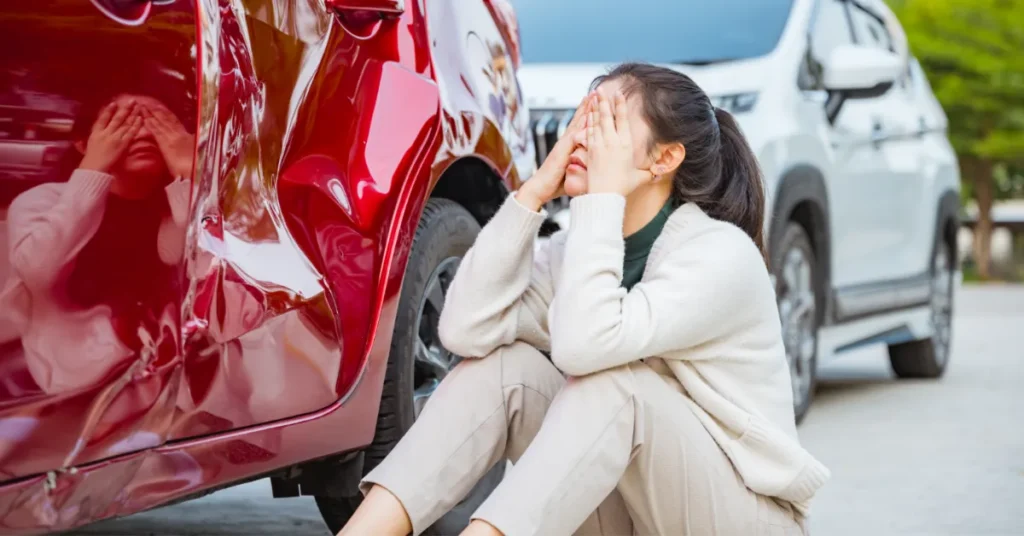
crash you did not cause is stressful enough without a surprise bill from the tow yard. Once the shock wears off, most drivers ask the same question: who pays for towing after an accident when the other driver was clearly to blame? The short answer is that the at-fault driver’s insurance should cover it. How you get there still matters, and a few wrong moves can leave you paying out of pocket for weeks.
This guide explains how towing costs after a not-at-fault accident are handled, what your own policy can do for you, and how to avoid extra fees that insurers may refuse to pay. At Burm’s Towing, our crew works accident scenes across Columbus every week, so we see where drivers get stuck and what keeps the process simple.
Why the At-Fault Driver’s Insurance Usually Pays
Ohio follows an at-fault system, which means the driver who caused the crash is responsible for the damage. That covers your repairs and, in most cases, your towing bill after car accident recovery. In plain terms, the at-fault driver pays towing costs through the property damage liability part of their auto policy, not out of their own wallet.
So when people ask who pays for towing after an accident, the honest answer is that the other driver’s insurer pays, but only after it accepts fault. That review can take days or even weeks. In the meantime, the tow yard may want payment before it releases your car, so knowing your options for paying for towing after a collision right away keeps you from getting stuck.
Using Your Own Auto Insurance to Move Faster
If you carry collision coverage, you can file with your own insurer instead of waiting on the other side. Most policies include collision towing coverage that pays to move a damaged car from the scene to a repair shop. Your insurer then collects from the at-fault driver’s company through a process called subrogation. Using your car accident towing insurance this way is often faster, even if you pay your deductible upfront.
The good news is that you can usually get that deductible back once your insurer recovers the money. Check your declarations page for auto insurance towing coverage limits, since some policies cap the tow distance or the dollar amount. If the other driver has no insurance, uninsured motorist property damage coverage may step in, so call your agent to confirm who covers towing after an accident in that case.
Does Roadside Assistance Pay for Accident Tows?
Many drivers assume their roadside plan will handle everything. In reality, roadside assistance after an accident is often limited. Plans through your insurer, your car maker, or a motor club are mostly built for breakdowns, flat tires, and dead batteries. Some of them exclude collision tows completely or only cover a few miles.
Read the fine print before you count on it. If your plan does cover the tow, it can save you a reimbursement claim later. If it does not, your collision policy or the other driver’s insurance coverage for accident towing is the better route. Either way, keep the tow receipt, because you will need it no matter who pays for towing after an accident in the end.
Watch Out for Storage Fees and Extra Charges
The tow itself is only part of the cost. Once your car reaches a storage lot, daily fees start adding up. Accident recovery towing costs can also include winching, debris cleanup, and after-hours rates, depending on how bad the scene was. Insurers generally pay reasonable charges, but they often push back when storage runs for weeks without a good reason.
Move your car to a body shop or your home as soon as you can. Ask the tow company for an itemized bill that lists the hookup fee, mileage, labor, and storage separately. Clear records make towing fees and insurance claims much easier to settle, and they help you avoid disputes over towing expenses after a collision that look padded.
How to File an Accident Towing Insurance Claim
Start at the scene by getting the other driver’s name, insurance company, policy number, and the police report number. Take photos of both cars, the road, and your vehicle being loaded onto the truck. These details form the base of your accident towing insurance claim and make it harder for anyone to argue about fault later.
Next, report the crash to the at-fault driver’s insurer or your own. Send copies of your towing receipt, storage invoice, and any rental costs. If you already paid, request towing reimbursement after an accident in writing and follow up every few days. Most insurance reimbursement for towing comes through once fault is accepted, and staying organized is the fastest way to get there.
Choosing the Right Tow Company After a Crash
The company you call affects both your costs and your stress level. A good towing company accident recovery crew gives clear pricing upfront, provides paperwork that insurers accept, and never holds your car with surprise fees. Be careful with tow trucks that show up uninvited at a crash scene, since some charge inflated rates and tow to their own lots.
Burm’s Towing handles accident towing across Columbus, Dublin, Gahanna, Hilliard, Grove City, and nearby areas 24/7. Our drivers give itemized receipts and can take your car straight to the body shop you choose. That turns the question of who pays the tow truck after an accident into simple paperwork instead of a fight.
FAQs
Do I have to pay for the tow upfront if the accident was not my fault?
Sometimes, yes. Many tow yards require payment before releasing a car, especially if fault has not been confirmed. Keep your receipt and submit it to the at-fault driver’s insurer or your own for reimbursement.
Will using my collision coverage raise my insurance rates?
Many insurers do not raise rates for claims where you were clearly not at fault, but every company handles this differently. Ask your agent before filing so you know what to expect.
What happens if the at-fault driver has no insurance?
Your uninsured motorist property damage coverage or your collision coverage can usually pay for the tow. Without either one, you may need to recover the cost from the other driver directly, sometimes through small claims court.
Does not-at-fault accident towing coverage include storage fees?
In most cases, not-at-fault accident towing coverage includes reasonable storage charges. Insurers may refuse to pay for long storage periods, so move your car to a repair shop quickly.
How long do I have to ask for towing reimbursement?
Ohio generally allows two years to file a property damage claim, but insurers expect you to report the crash right away. Filing early keeps your claim simple and your records fresh.
Need Accident Towing in Columbus? Call Burm’s Towing Today
A crash you did not cause should not leave you stuck with a tow bill or a car sitting in a storage lot. If you need fast, honest help, our team offers 24/7 accident towing in Columbus with clear pricing and itemized receipts your insurer will accept. Call Burm’s Towing at (614) 290-8512, and we will get your car off the road and on its way to the shop you trust.