
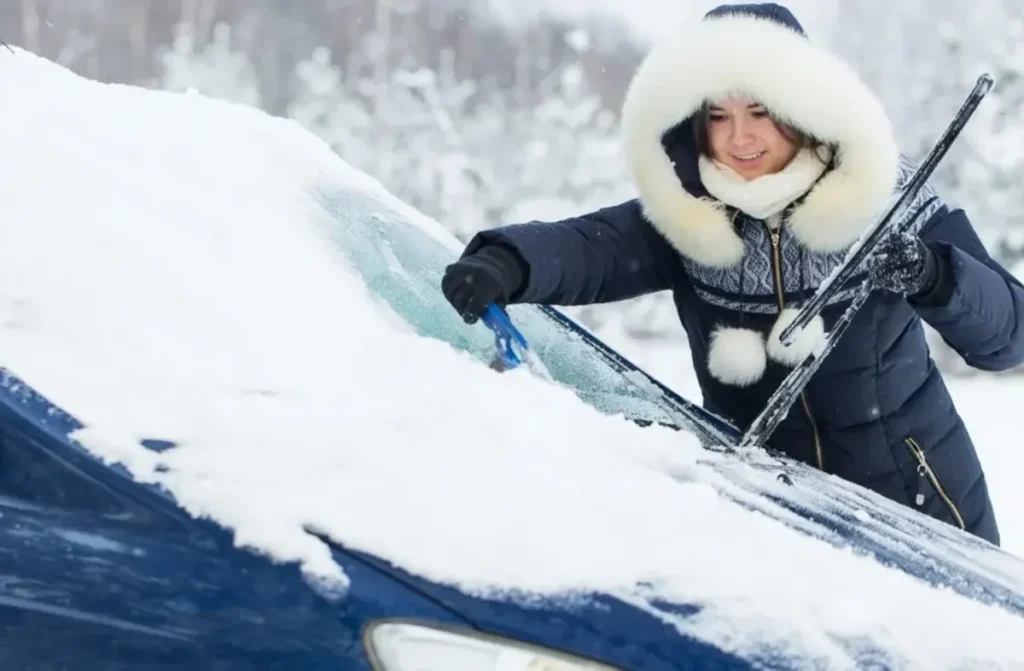
Central Ohio winters can turn a normal drive into a long wait on the side of the road. Heavy snow, freezing rain, and sudden cold snaps hit fast, and a dead battery or a slide into a ditch can leave you stuck for an hour or more. A well-packed winter car emergency kit keeps you warm, safe, and ready until help shows up.
This guide covers exactly what to pack, where to store it, and how to use it if you get stranded. It also explains when to stop trying to fix the problem yourself and call for roadside assistance in Columbus instead.
Why Every Ohio Driver Needs a Winter Car Emergency Kit
Cold weather is hard on cars. Batteries lose power as temperatures drop, tire pressure falls, and wipers and door locks can freeze overnight. On top of that, roads like I-70, I-71, and US-33 can go from wet to icy in minutes once the sun goes down.
When something goes wrong in winter, the wait for help can feel much longer because of the cold. A winter car emergency kit gives you the basic supplies to stay warm, stay visible, and handle small problems on your own. It is cheap to build, it fits in your trunk, and it can make a scary situation a lot more manageable.
Warmth and Comfort Items to Pack
Staying warm is your first job if you get stuck. Every winter car emergency kit should start with warmth. Pack at least one thermal blanket or wool blanket for each person who usually rides with you. Add a spare hat, gloves, warm socks, and a heavy sweatshirt, since the coat you wear on a short trip may not be enough for a long wait.
Chemical hand warmers are small and cheap, and they last for hours. Toss a few packs in the glove box. If you have kids, add an extra layer for each of them and a small toy or book to keep them calm.
Safety and Visibility Gear
Other drivers need to see you, especially at night or in heavy snow. Keep road flares or LED warning lights and a reflective triangle in your trunk. A bright vest or a red cloth tied to your antenna helps rescuers and passing cars spot you.
A strong flashlight with extra batteries is a must. A headlamp is even better because it keeps your hands free. Add a fully charged portable phone charger so you can call for help and follow updates even if the car battery dies.
Tools to Get Your Car Moving Again
Some winter problems are easy to fix if your winter car emergency kit has the right tools. Pack a sturdy ice scraper and snow brush, plus a small folding shovel to dig out your tires. A bag of cat litter or sand gives your tires grip when they spin on ice.
Jumper cables or a portable jump starter can bring a dead battery back to life. A tire pressure gauge and a can of tire sealant help with slow leaks. A tow strap is useful too, but only let a trained driver use it, since a bad pull can damage both cars.
Food, Water, and First Aid
Keep a few bottles of water and some high-energy snacks like granola bars, nuts, or crackers. Pick food that will not spoil and is easy to eat with gloves on. Swap them out every few months so they stay fresh.
A basic first aid kit should include bandages, pain relievers, any daily medicine you need, and a small pair of scissors. If you drive long stretches on rural roads around Delaware, Pataskala, or Johnstown, add a little extra of everything.
Where to Store Your Kit So It Is Ready to Use
Use a plastic bin or a duffel bag so everything stays together and dry. Keep the kit in your trunk or cargo area, but put a few items inside the cabin too. A blanket, a flashlight, a phone charger, and hand warmers should sit within reach of the driver’s seat, in case you cannot get to the trunk in a storm.
Check your winter car emergency kit at the start of every season. Test the flashlight, charge the power bank, replace old snacks, and make sure nothing is missing. Late October or early November is a good time, before the first big snow.
How to Use Your Kit if You Get Stranded
If your car stops, pull as far off the road as you can and turn on your hazard lights. Set out flares or a warning triangle if it is safe to step out. Stay with your car, since it gives you shelter and is easier for rescuers to find.
If snow is piling up, keep your tailpipe clear before you run the engine for heat. A blocked exhaust can push carbon monoxide into the car. Run the engine for about 10 minutes each hour, crack a window slightly, and use your blankets and hand warmers to stay warm in between.
When to Call for a Tow Instead of Fixing It Yourself
Your winter car emergency kit can handle small problems, but some situations need a truck. If a jump start does not work, your car slid into a ditch, a tire is badly damaged, or you smell burning or see smoke, stop and call for help.
The same goes for a car stuck on a highway shoulder or in a busy lane. Standing outside in traffic during a snowstorm is dangerous, even with flares out. A tow truck driver has the right gear to pull your car out safely or take it to a shop.
Frequently Asked Questions
What is the most important item to carry in winter?
Warm blankets and a charged phone are the top two. Staying warm keeps you safe while you wait, and a working phone lets you call for help.
Should I keep my gas tank full in winter?
Yes. Try to keep it at least half full. A full tank helps prevent fuel line freeze-ups and gives you enough fuel to run the engine for heat if you get stuck.
Can I leave water bottles in my car during winter?
Yes, but they may freeze. Leave a little room at the top of each bottle so it does not burst, and keep one or two inside the cabin where it stays a bit warmer.
How often should I check my car battery in winter?
Have it tested before winter starts. Most auto parts stores test batteries for free. If your battery is more than three years old, it is more likely to fail in the cold.
Is cat litter really helpful for icy roads?
Yes. Non-clumping cat litter or sand under your drive wheels gives them something to grip on ice or packed snow, which can help you get unstuck.
What should I do if my car slides into a ditch?
Stay inside if it is safe, turn on your hazard lights, and call for help. Do not keep spinning the tires, since that can dig the car in deeper.
Need Help This Winter? Burm’s Towing Is a Call Away
A good kit buys you time, but when your car will not start or move, you need a truck. Burm’s Towing helps Central Ohio drivers with jump starts, winch-outs, tire changes, and towing all winter long.
Call (614) 290-8512 any time, day or night, for fast 24/7 emergency towing across Columbus and the nearby towns.